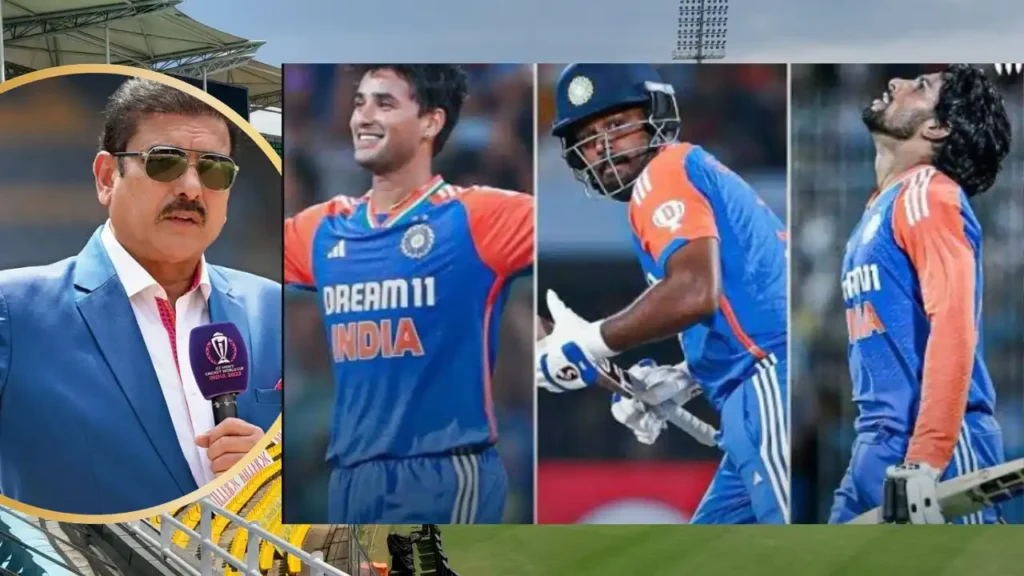
Sunil Gavaskar: Indian cricket is grappling with uncomfortable questions after a rare and stinging setback at home. A team long considered nearly unbeatable in Indian conditions has now conceded its first-ever home ODI series defeat to New Zealand, and former captain Sunil Gavaskar believes the reasons run deeper than just runs and wickets.
While headlines have focused on individual performances, Gavaskar’s post-match analysis zoomed out to a more unsettling concern: India’s passive fielding and lack of urgency, which allowed New Zealand to wrestle control of crucial moments across the series.
A series that slipped away despite Kohli’s brilliance
From an Indian perspective, the numbers tell a story of frustration. Virat Kohli was once again the pillar, registering scores of 93, 23, and a fighting 124 in the decider. His 54th ODI hundred kept India alive deep into the chase, but support at the other end dried up.
New Zealand, meanwhile, showcased composure under pressure. After being reduced to 5/2 in the final ODI, they rebuilt patiently and eventually posted a daunting 338/7 — a total that proved beyond India despite Kohli’s heroics.
Sunil Gavaskar verdict
Speaking during a broadcast discussion, Gavaskar stopped short of calling out players directly. Instead, he highlighted a collective lapse that repeatedly let the visitors off the hook.
“I don’t want to take names, but certain individuals allowed singles far too easily. At this level, that is criminal. You have athletes like Rohit and Kohli, but the overall intensity in the field just wasn’t there,” Gavaskar observed.
According to him, New Zealand’s batters were rarely put under sustained pressure, allowing them to rotate strike freely and build momentum without taking risks.
The partnership that broke India’s grip
The turning point of the series-defining match came through a marathon stand between Daryl Mitchell and Glenn Phillips. After early breakthroughs by Arshdeep Singh and Harshit Rana, India waited 31 overs for the next wicket.
That lull proved fatal.
| Match situation | Runs added | Overs consumed | Impact |
|---|---|---|---|
| NZ at 58/3 | 219-run stand | 31 overs | Match-defining |
| Singles & twos | Consistent | Entire partnership | Fielding pressure exposed |
Mitchell, in particular, earned Gavaskar’s admiration for continuing to push hard between the wickets even after reaching three figures — a contrast to India’s perceived lack of urgency in the field.
Gavaskar’s concerns weren’t limited to the series finale. After the second ODI, played on a slow surface, he admitted surprise at how comfortably New Zealand chased down 285 with seven wickets in hand.
He had expected India’s bowlers to exploit the pitch and restrict the visitors to around 260. Instead, a commanding partnership between Mitchell and Will Young flipped the script, underlining how smart running and strike rotation can dismantle even strong bowling attacks.
What this defeat means for India
This series loss isn’t just a statistical blip. It has reignited debate around:
- India’s fielding standards in home conditions
- Over-reliance on Kohli in pressure chases
- The need for sharper on-field intensity against top sides
Ironically, there were bright spots — including a sharp fielding display in Indore and a stunning catch by Ravindra Jadeja — but consistency remained elusive.
Gavaskar’s message is clear: India didn’t lose because New Zealand played miracles; they lost because India allowed them to play comfortably. In modern ODI cricket, where margins are razor-thin, conceding easy singles and dropping intensity can be as damaging as a poor batting collapse.

Team Cricket Duniya is a dedicated group of sports and entertainment writers specializing in cricket news, match previews, reviews, and in-depth analysis. With strong domain expertise and a passion for the game, the team delivers accurate, timely, and well-researched content covering international cricket, domestic tournaments, and trending sports stories. Alongside cricket, the team also covers key developments in sports entertainment, ensuring readers receive reliable insights and engaging coverage from the world of sports and entertainment.