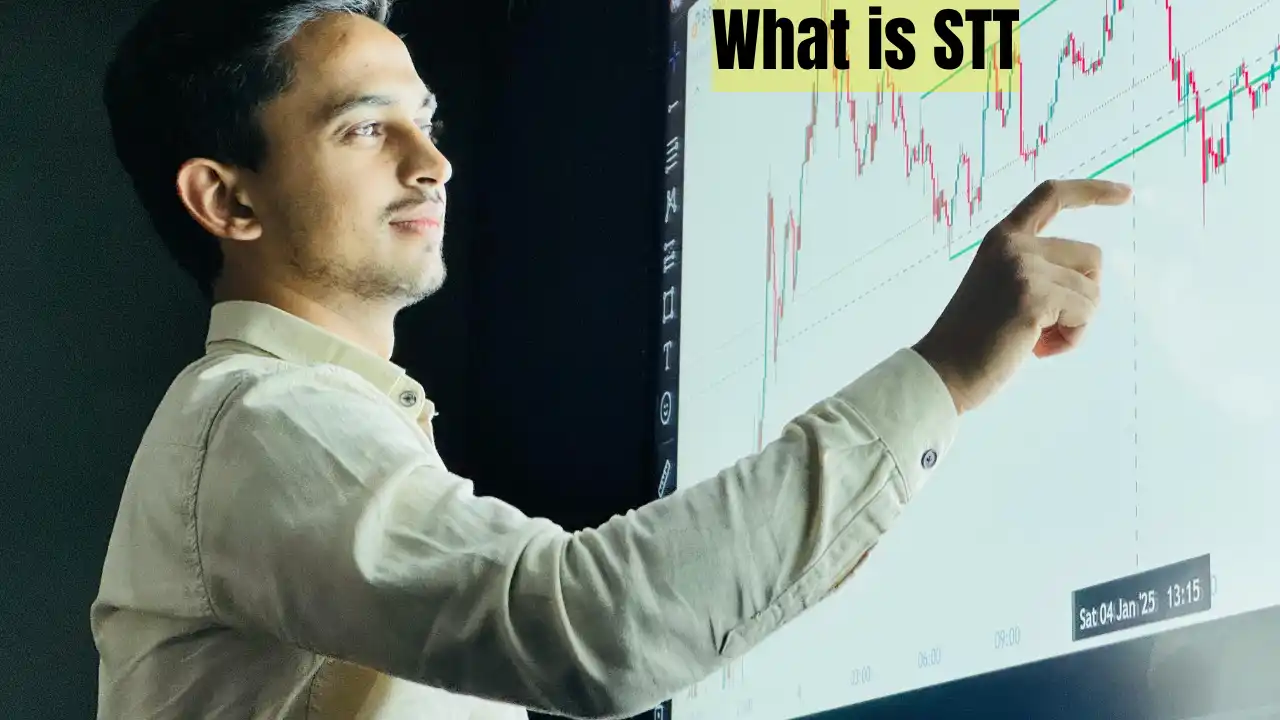
Budget 2026– The stock market witnessed chaos on February 1 as Finance Minister Nirmala Sitharaman announced a major hike in STT during Budget 2026. Sensex crashed over 2,300 points while Nifty also took a massive beating, leaving investors in panic mode.
What is STT? Understanding the Basics
STT stands for Securities Transaction Tax. Think of it as a small fee you pay every time you buy or sell shares, mutual funds, or derivative contracts in the stock market. The government collects this tax on each transaction.
The main goal of STT is to stop people from avoiding taxes on their capital gains. It was first introduced back in 2004 to make tax collection easier and prevent tax evasion in derivative trading.
Budget 2026: How Much Did STT Increase?
Here’s the breakdown of the new STT rates announced today:
| Category | Old Rate | New Rate | Increase |
|---|---|---|---|
| Futures | 0.02% | 0.05% | 150% |
| Options | 0.1% | 0.15% | 50% |
These changes mean traders will now pay significantly more on every futures and options transaction. For futures, the hike is a massive 150%, while options see a 50% jump.
Market Meltdown After STT Announcement
The impact was immediate and brutal. Sensex opened at 82,388.97 points but crashed to an intra-day low of 79,899.42 – losing over 2,300 points during trading hours. Though it recovered somewhat later, the damage was clear.
Nifty wasn’t spared either. At one point during the day, it tumbled to 24,571.75 points as heavy selling swept across all sectors.
Also Read: Budget 2026 Explained: Relief for Households or New Pressure? What Gets Cheaper and What Costs More
Why Such Panic?
The STT hike directly affects traders, especially those dealing in futures and options. Higher transaction costs mean lower profits, which is why many rushed to sell their positions today. Day traders and short-term investors are hit the hardest by this move.
The government’s reasoning is simple – control speculative trading and increase tax revenue. But for market participants, it’s an unwelcome surprise that’s making trading more expensive.